Interior Works
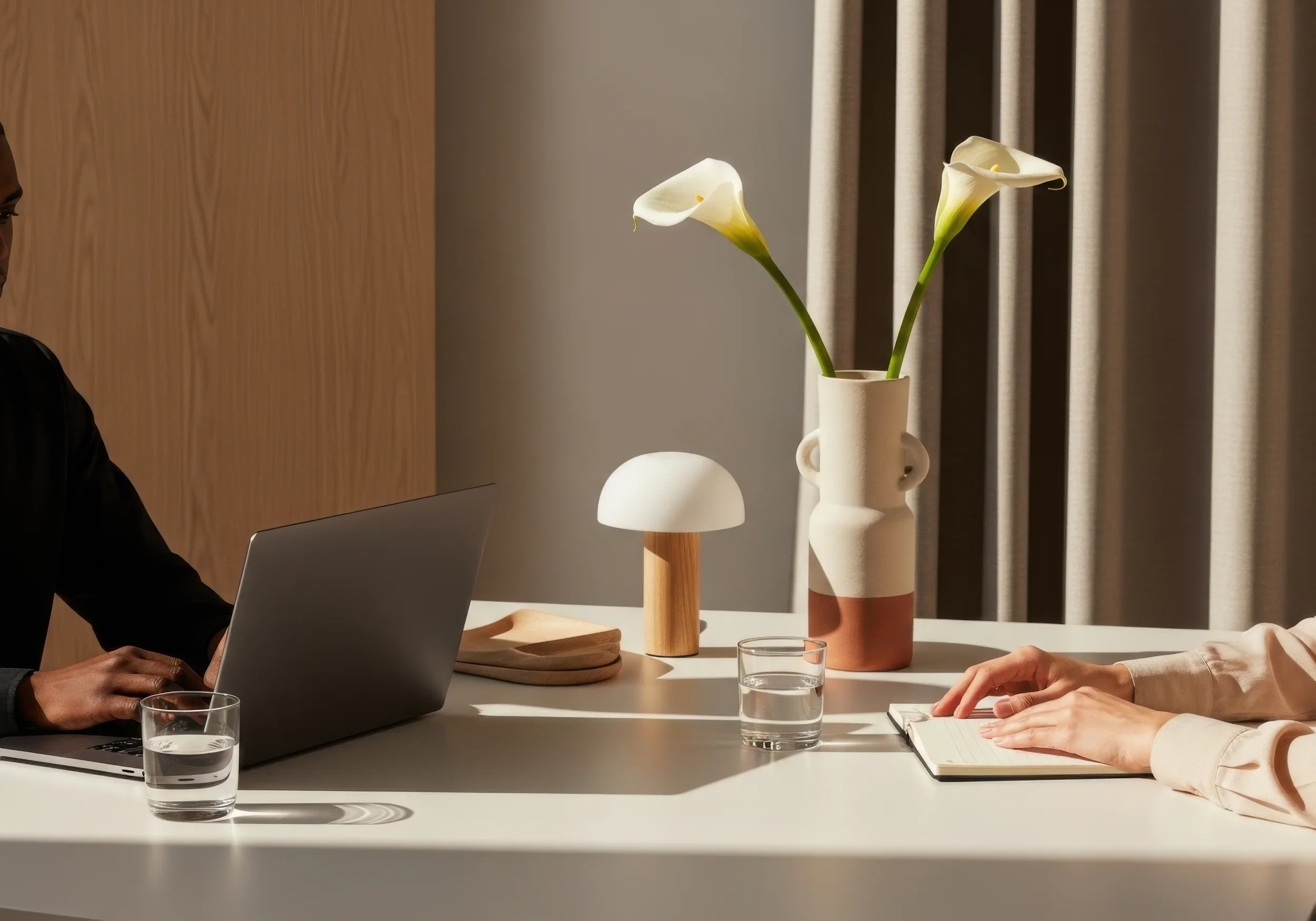
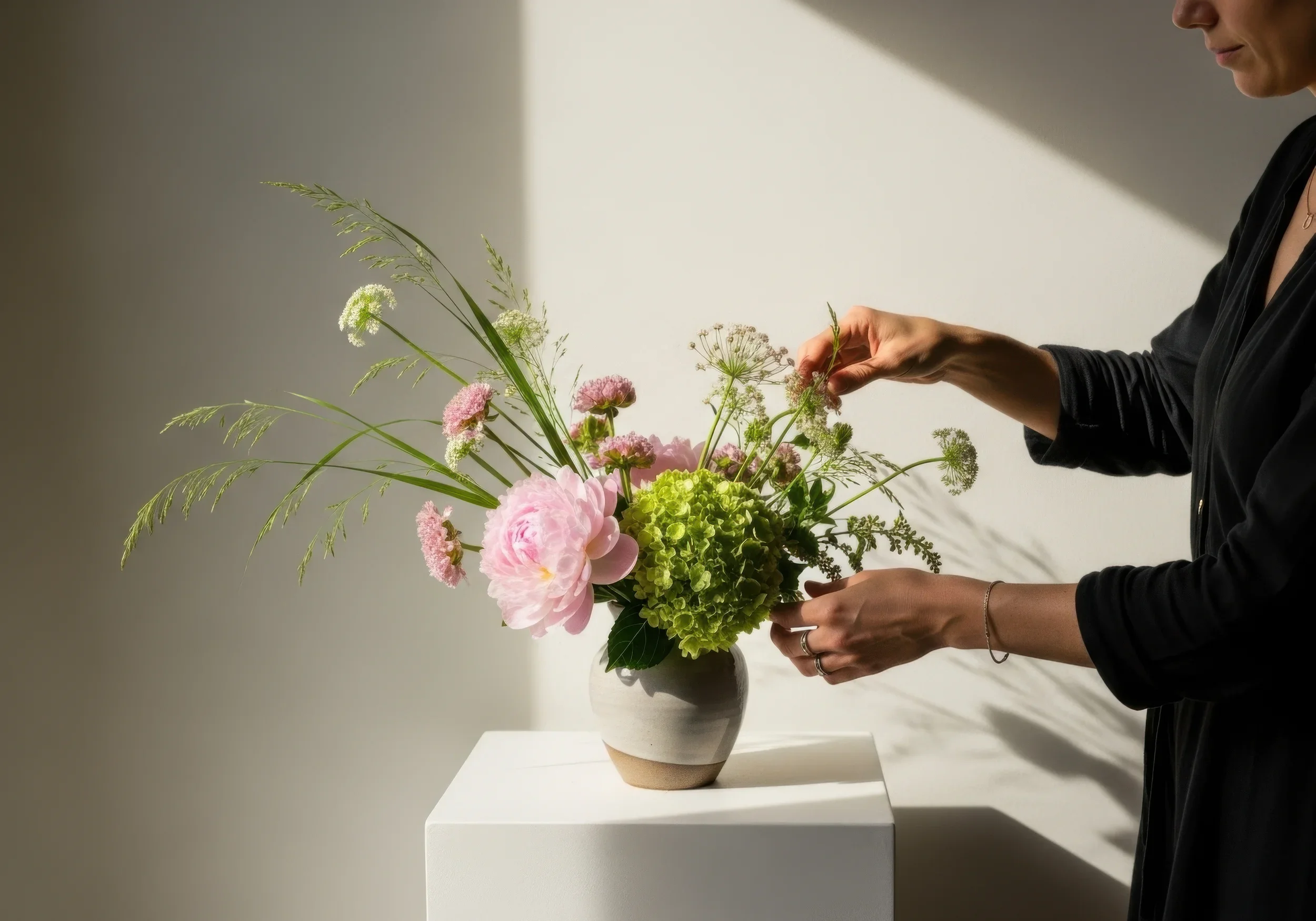
Photographic studies designed for architectural and interior environments.
Interior Work
Photographic studies designed for architectural and interior environments.
Our StoryPhotographic works designed for interior and architectural environments, with a focus on spatial tone, material presence, and compositional restraint. These images are created to function within designed spaces rather than as standalone visual statements.
Each work is selected and produced with consideration for how it interacts with light, scale, and surrounding materiality. The emphasis is on clarity, atmosphere, and balance rather than narrative illustration.
Works are available in a range of sizes suitable for residential, hospitality, and commercial interiors. Larger formats are intended for feature placement, while smaller editions support layered or series-based installations. All prints are produced using archival materials to ensure long-term stability in professional environments.
Available formats include A2, and A1, with custom sizing available for specific project requirements. Framing options are designed to align with both museum-grade and commercial interior standards.
These works are suited to hotels, boutique accommodation, residential interiors, office environments, and architectural projects seeking cohesive visual grounding.
Trade and project-based enquiries are available for multi-work installations or spatial curation requirements.
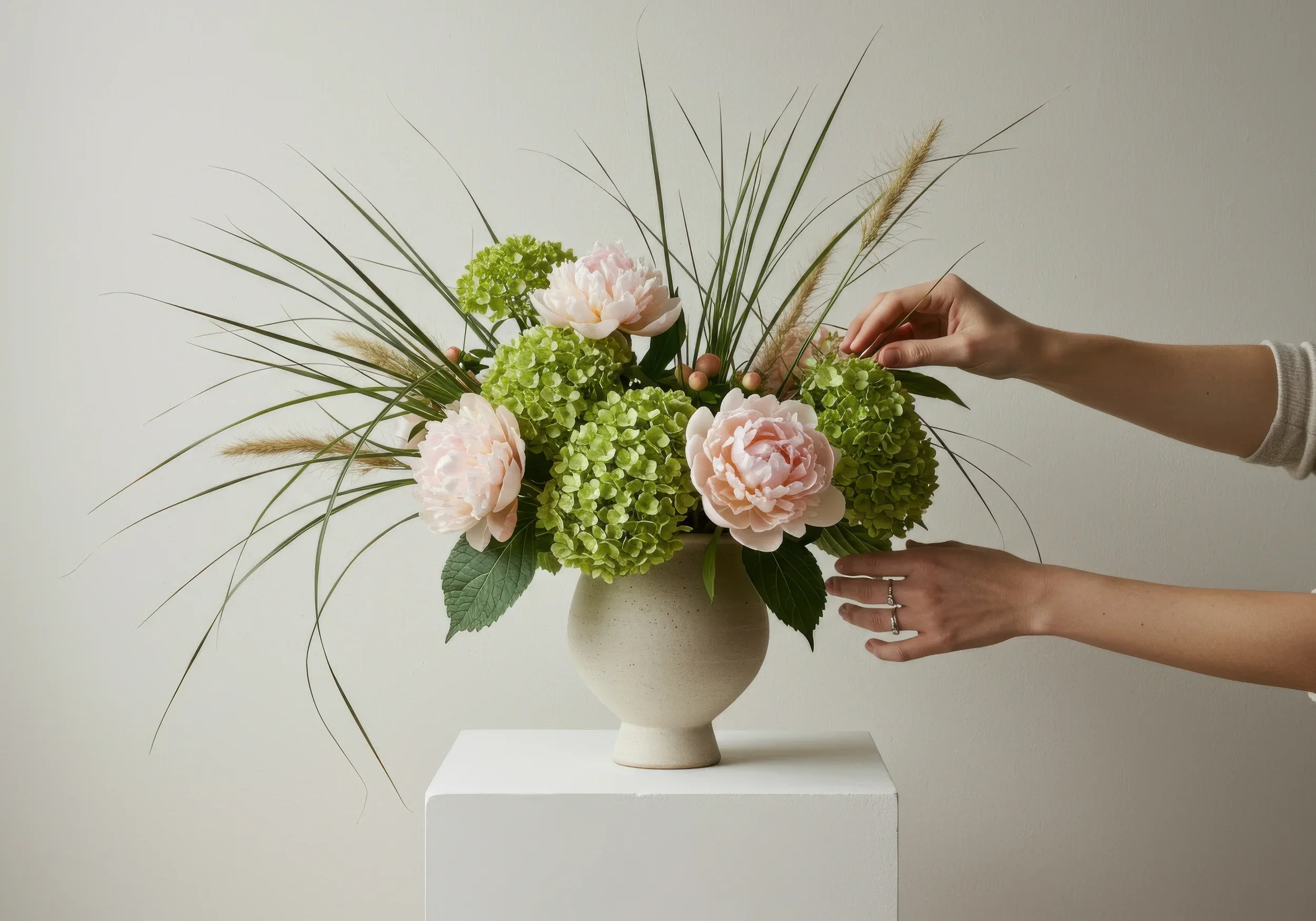
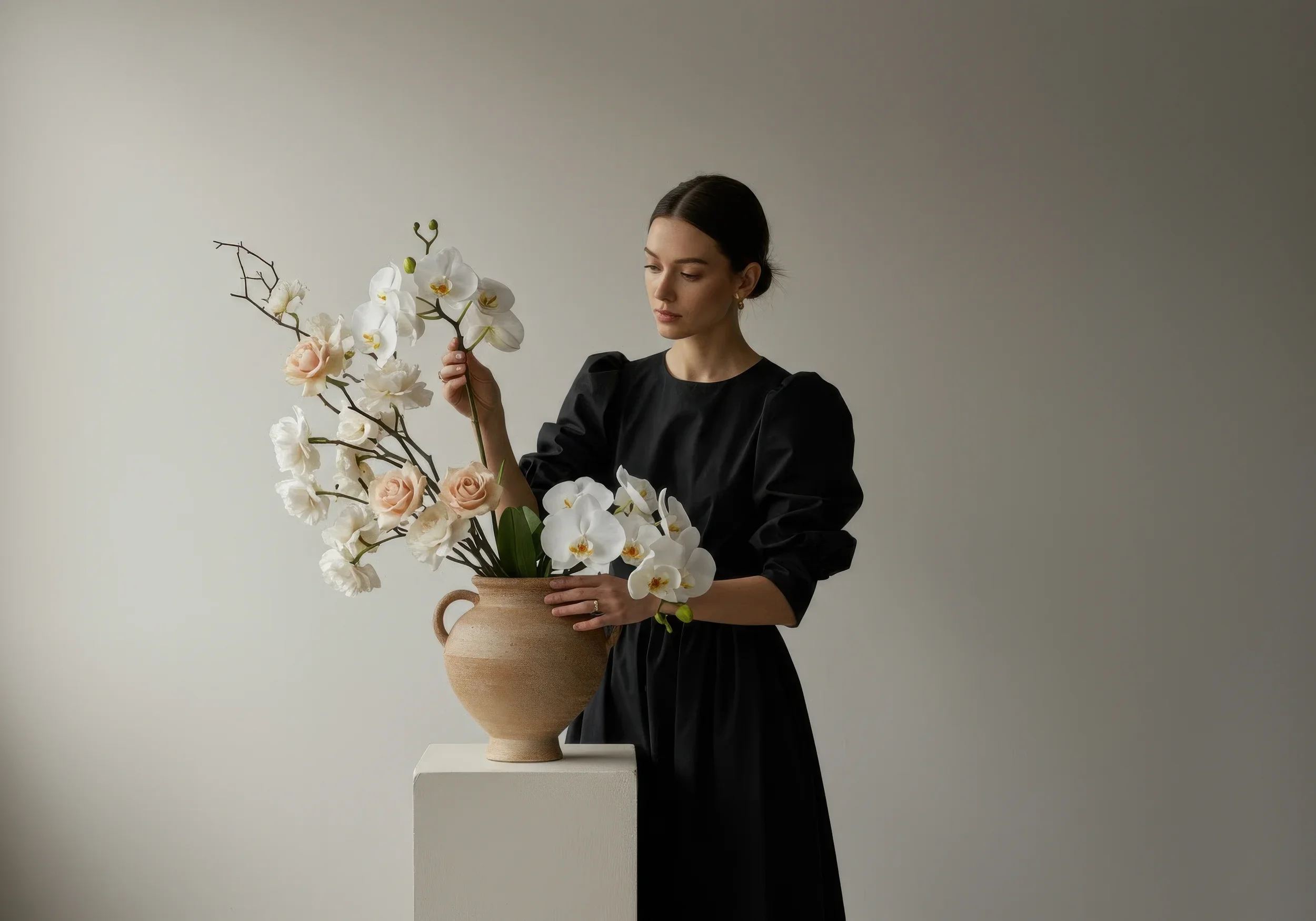
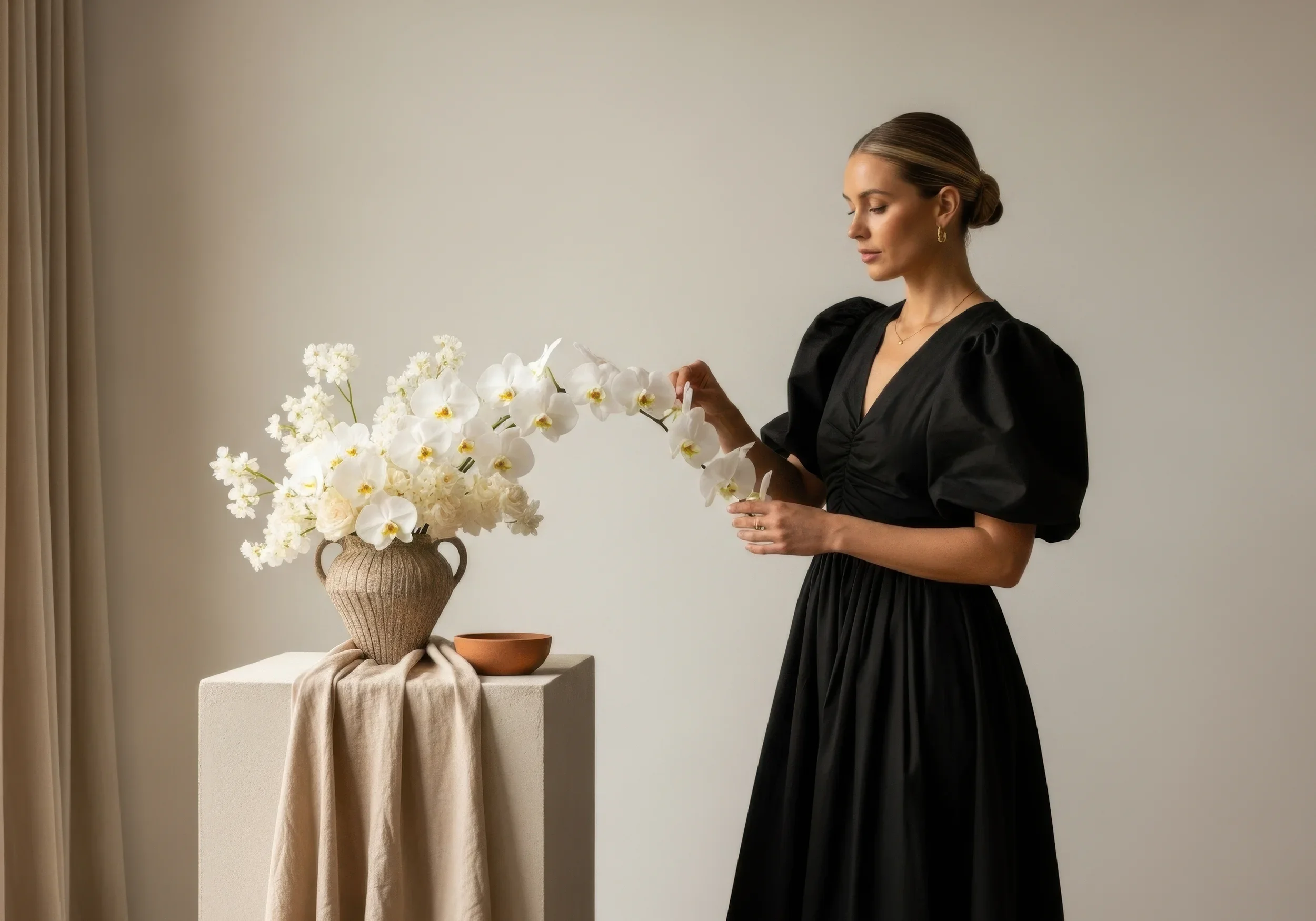
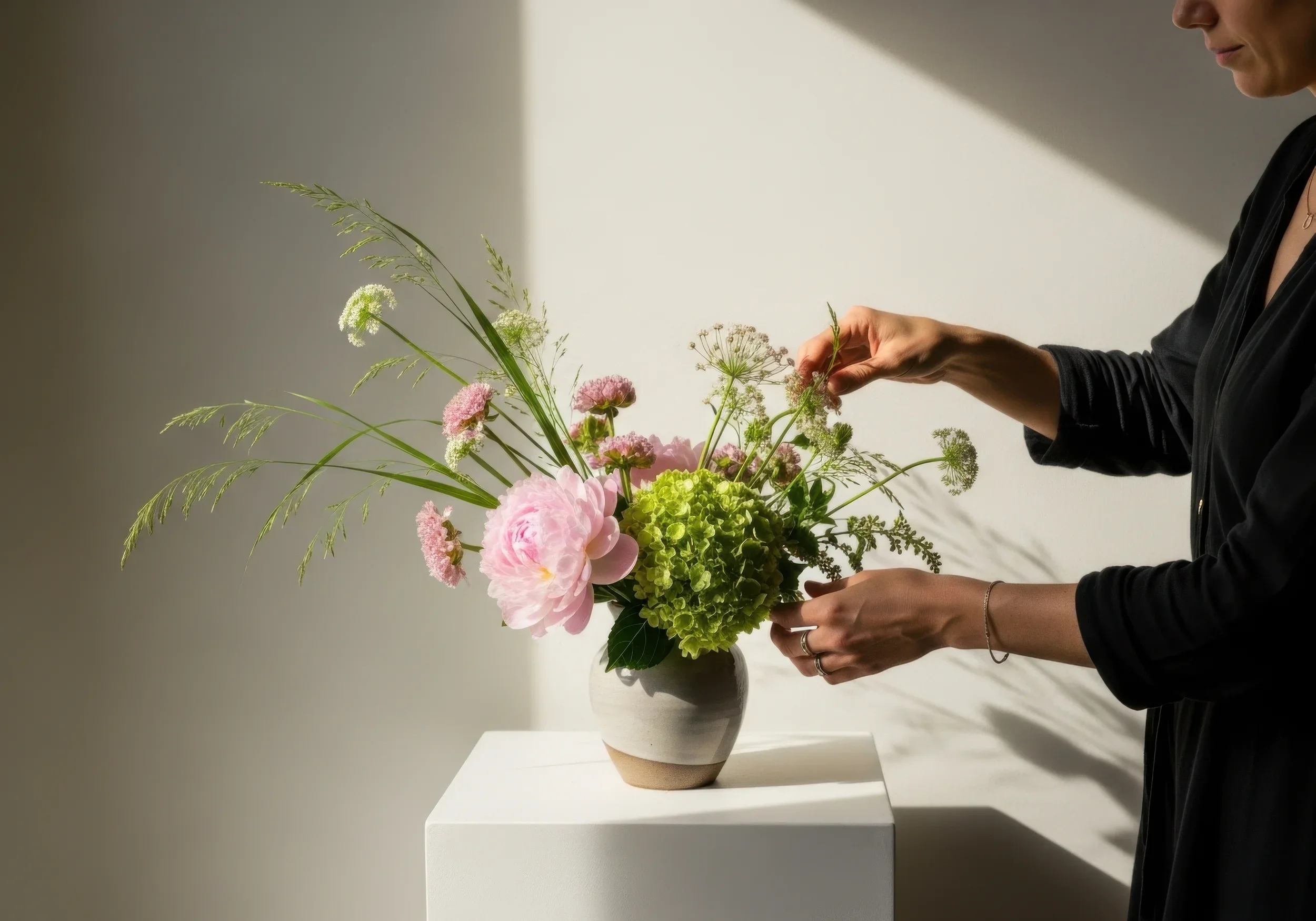
Works are produced within a consistent visual framework, allowing multiple images to function together across sequential interior spaces such as corridors, suites, or shared environments. This framework is defined by a restrained visual language focused on spatial balance, tonal consistency, and material presence, enabling individual works to sit independently while also contributing to a coherent overall environment when installed as a group. The intention is not to create isolated feature pieces, but to support installations where images can be repeated, alternated, or scaled across multiple locations without disrupting the visual continuity of a space. This allows designers and project teams to approach the collection as a unified system, where works can be selected and deployed in combination to maintain atmosphere and rhythm across larger architectural contexts.