What makes a long term project
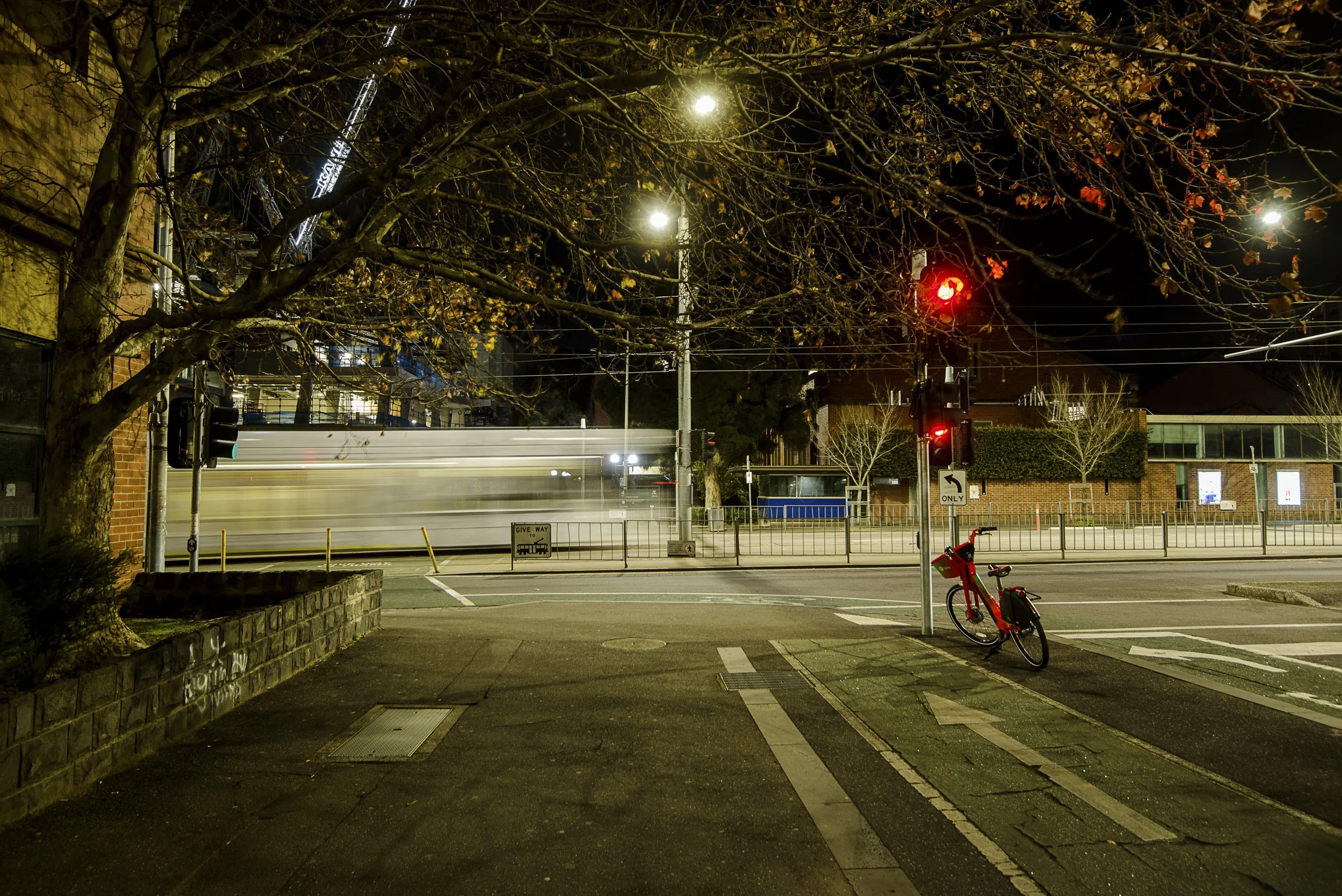
Carlton 2020
There always seems to be a discussion in photography about the importance of long-term projects, but what actually makes a project "long term" isn't always clear. Is it simply the number of years spent photographing something, or is there something deeper at work?
Many of my own projects have developed gradually rather than being planned from the beginning. The High Street Project, work made in Carlton, and more recently Edgelands all began with an interest in a particular place rather than a clear idea of what the finished project might become.
Over time, repeated visits, changing seasons, different light and the gradual transformation of the places themselves begin to shape the work. The photographs become less about individual images and more about building a relationship with a subject. For me, a long-term project isn't necessarily defined by duration alone. It is the process of returning, observing and allowing a body of work to evolve as both the photographer and the place continue to change.
Some places and concepts simply grab me. High Street was somewhere I'd enjoyed for years because of its atmosphere and constant evolution. Carlton was where I worked for a number of years, and photographing it slowly became part of my routine. Edgelands developed differently: the idea had interested me for years before I began making repeated visits and turning that interest into a more clearly defined body of work.
High Street: attraction → repetition → project
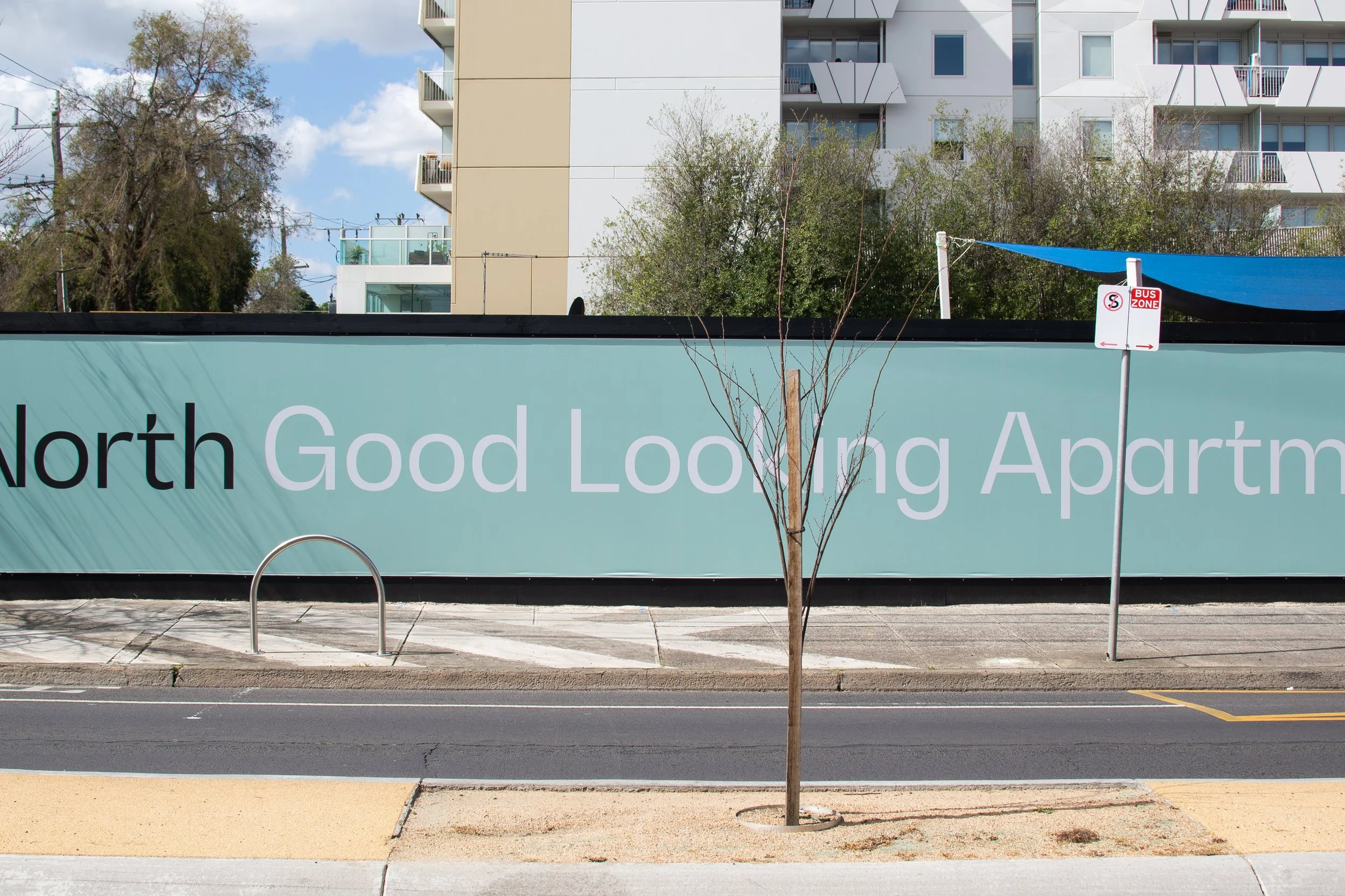
I wasn't really thinking in terms of a long-term project when High Street fell into my lap. I'd already spent a lot of time along the street before meeting my now ex-wife, and we had our first date at the Northcote Social Club. After we divorced, she ended up living towards one end of High Street and I ended up at the other. Walking and photographing along the street became part of my life, and the project slowly formed around that experience.
Carlton: familiarity → accumulation → project
Carlton was always a likely candidate for a long-term project, and I began photographing it deliberately not too long after the High Street Project started. I'd already worked there for several years, which gave me a familiarity with the area before I thought seriously about making a body of work there.
I'd often arrive early for work or hang around afterwards and go for a wander. Despite knowing the area well, I always felt as though I was discovering something new. Carlton also feels quite different from many of the neighbouring inner-city suburbs. It is more settled in some ways, with its own history, architecture and demographics, but it continues to change.
Edgelands: concept → investigation → project
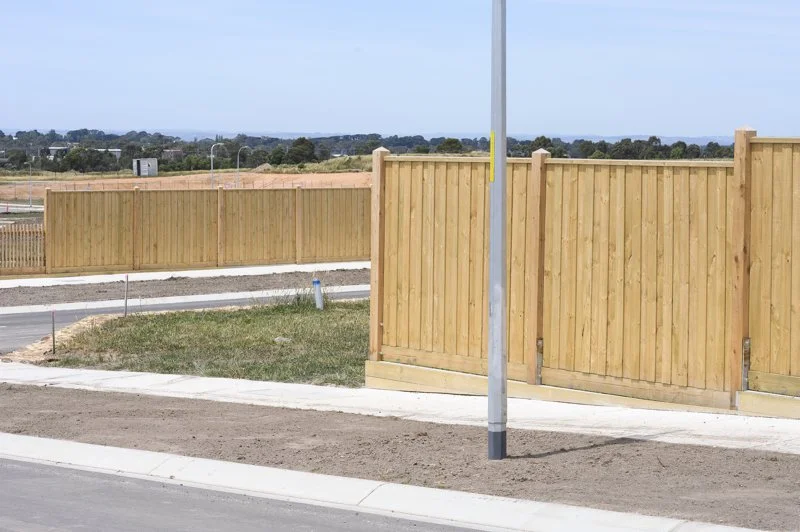
Edgelands developed differently. I'd seen references to the term in other photographers' work and posts, and later discussed the idea with photography friends. I became increasingly interested in the changing edges of Melbourne and in the fact that so much of the city's growth was taking place in these peripheral areas.
The sheer scale of the development appealed to me, as did the sometimes surreal quality of these environments and their contrast with the established inner city. Melbourne has a reputation built around laneway bars, coffee and dense inner-city life, but the reality of the city is much broader. It is an enormous and continually expanding suburban conglomeration.
There has been considerable densification over the past decade or so, but a large proportion of Melbourne still consists of detached houses and suburban development. At the same time, the rural gaps separating Melbourne from places such as Geelong and Ballarat are gradually narrowing.
I've travelled to Ballarat regularly for nearly ten years, and watching that transformation along the way has been remarkable. Photographing Edgelands has increasingly become a way of recording some of that change: not simply what these places look like now, but what happens to them as the city continues to expand.
The things I look for in a group of photos which might evolve into a longer term project is really change, the thing that struck me when I realised the changes along High Street were numerous, from architecture, to the demographics of the people to the kinds of businesses to name a few - the number of older style greek and Italian cafes gradually fell in number and higher end resturants and locally produced clothing in boutiques grew in number. Older pubs had evolved into cool. music venues well before I started spending time there, but the number of apartment buildings, particularly at the Preston end continues to surprise.
Perhaps that's ultimately what makes a project long term for me. It isn't deciding at the beginning that I'm going to photograph somewhere for ten years. It's finding a subject that continues to reveal something new and gives me a reason to return. The photographs accumulate gradually, while the place changes and my own understanding of it changes as well.
High Street Project 2018
Pakenham 2024
