Locations: Carlton
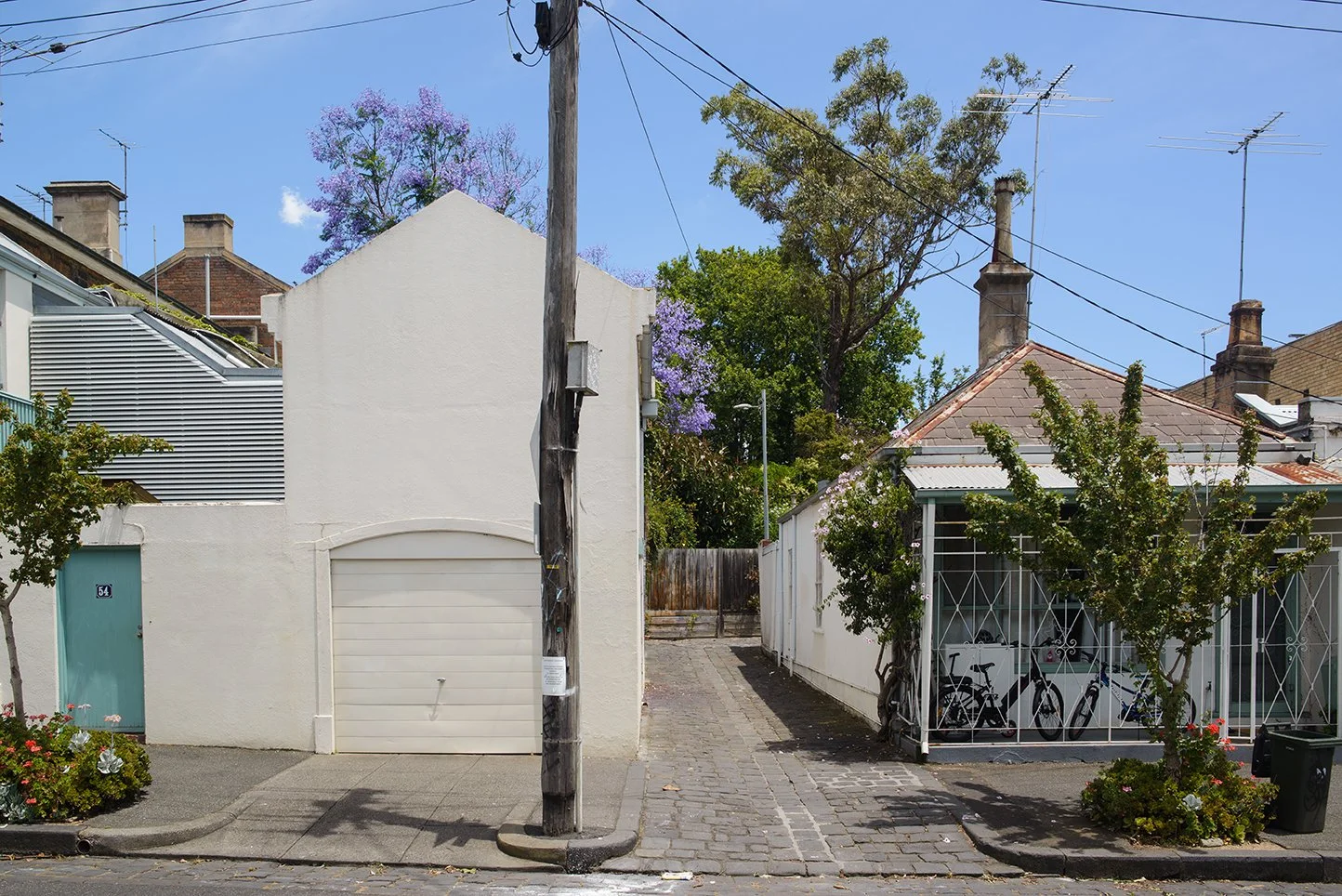
Image from January 1, 2023
I’ve been photographing Carlton on and off since around 2005, which was when I started shooting regularly with digital, and more consistently between 2014 and 2023.
Carlton was the area in Melbourne I had the most nostalgia for during the years I lived in the US. The Lygon Street Festa is one of my strongest childhood memories. I actually “wanted to be Italian” when I grew up — something that came from spending time here in the early to mid-80s.
Carlton was — and still is — a place I both sought out and kept ending up in.
One of my favourite bookstores has its original home on Lygon Street, and I later worked a few doors up. I also spent many years going to films at Nova and working around both Rathdowne and Lygon Streets.
At a certain point, I established Carlton as one of my photographic focus areas. There are specific spots that resonated strongly and took on a kind of fixed quality for me. I would return and re-photograph the same sections of street repeatedly, observing how they evolved over time.
Even without my camera, I’d still spend time there. There are parks and gardens that are easy to spend time in, along with a wide range of places to eat and drink — both in a more cliché, tourist sense and in more contemporary ways.
The cinema and the bookstore alone are enough reason to keep returning.
Carlton is different in a way that feels like a blend of Fitzroy, Brunswick, and the CBD, but with a persistent Italian influence running underneath it.
It’s more complex than a single defining character. It sits between identities rather than settling into one.
Carlton has its own distinct characteristics. The streets are slightly wider than Fitzroy but not as wide as North Melbourne or Parkville.
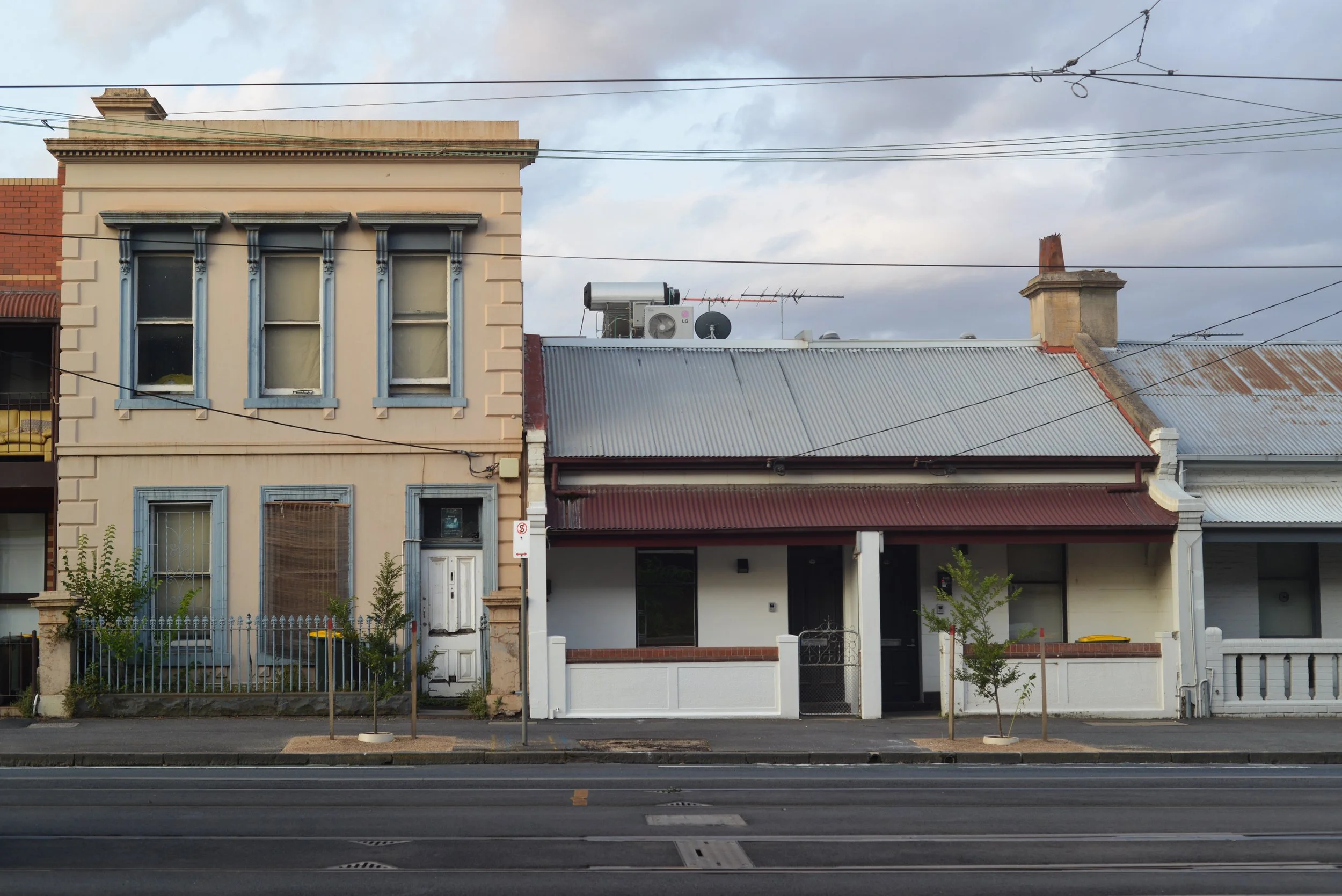
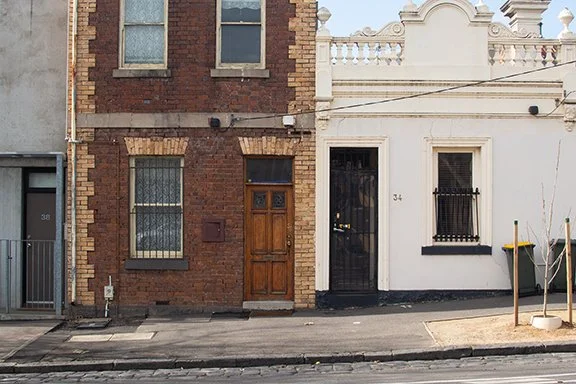
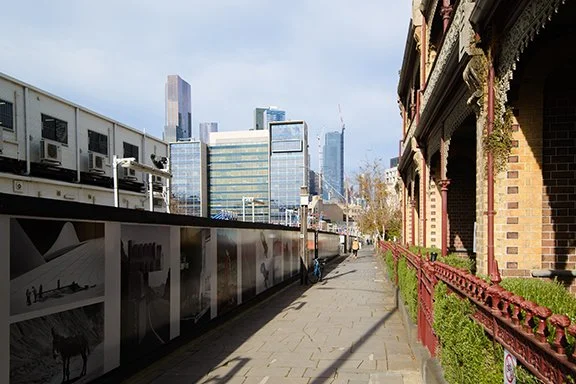
Architecturally, there is still a strong presence of older housing, which is part of its attraction. There is also a broad mix of people — particularly university students, which is immediately visible, along with a more established older demographic.
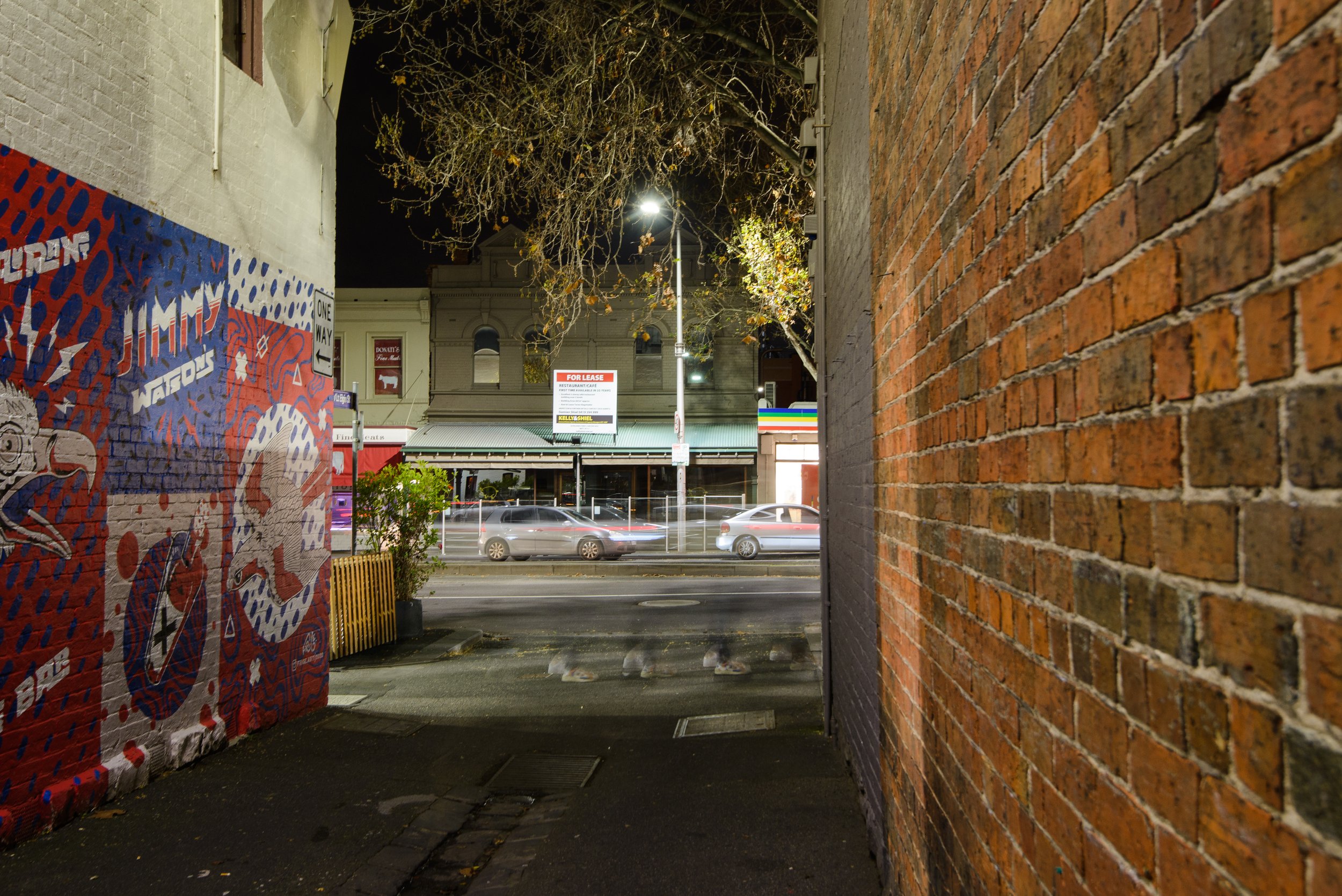
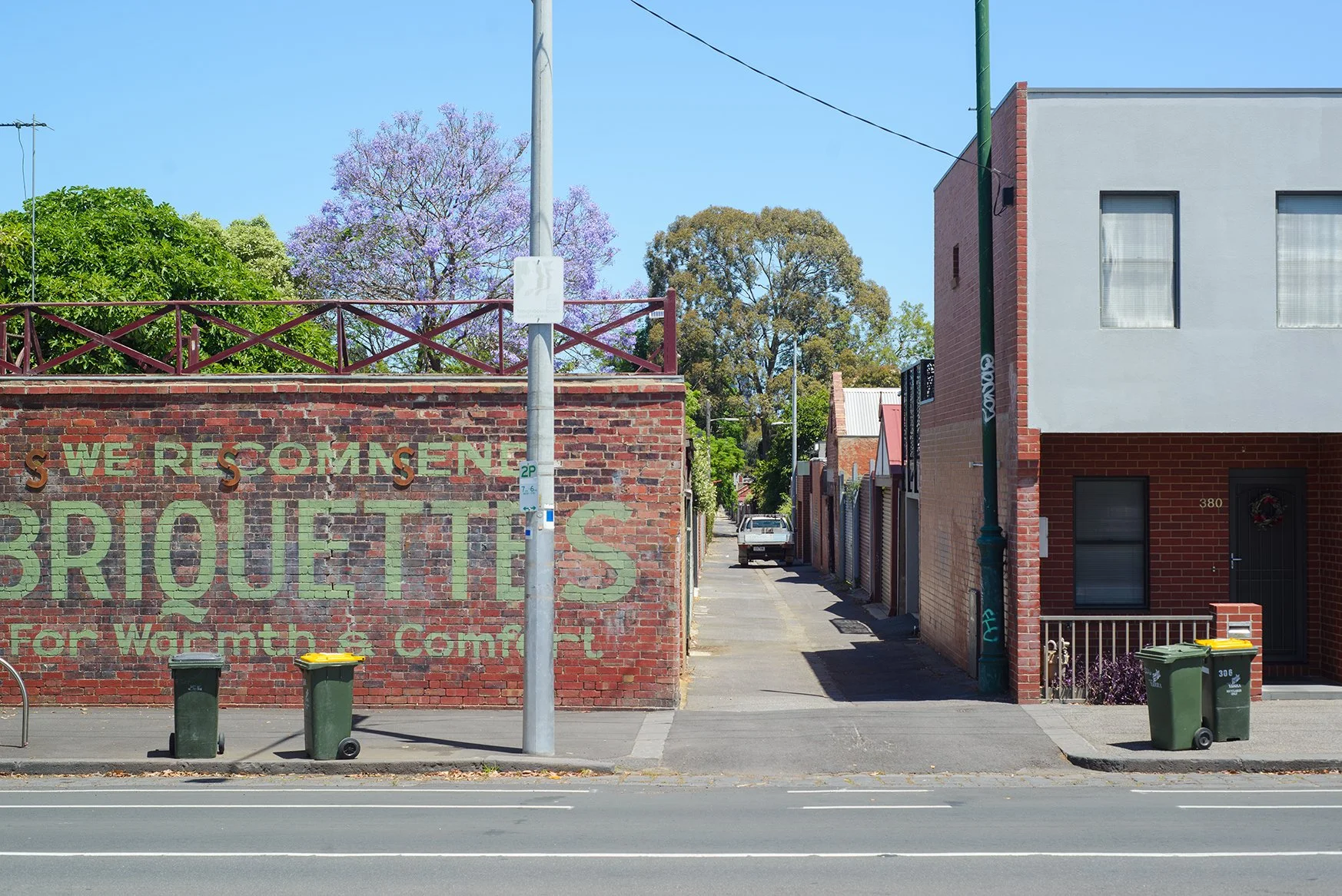
Laneways are a consistent visual element.
A couple of years ago I did a commercial shoot for Stan Forbee where we revisited previous locations I had shot, photographing him in similar environments. It was an interesting exercise in blending portraiture with urban repetition.
Housing is another key factor. The city end and Swanston Street area now has more apartments than it used to, but overall the character has not changed dramatically.
Many older pubs have been renovated, and many others have shut or been converted, but unlike St Kilda or Prahran there hasn’t been wholesale redevelopment. It still feels structurally tied to its history.
Recurring elements include:
terraces
shopfronts
laneways
construction
trees
signage
parked cars
university influence
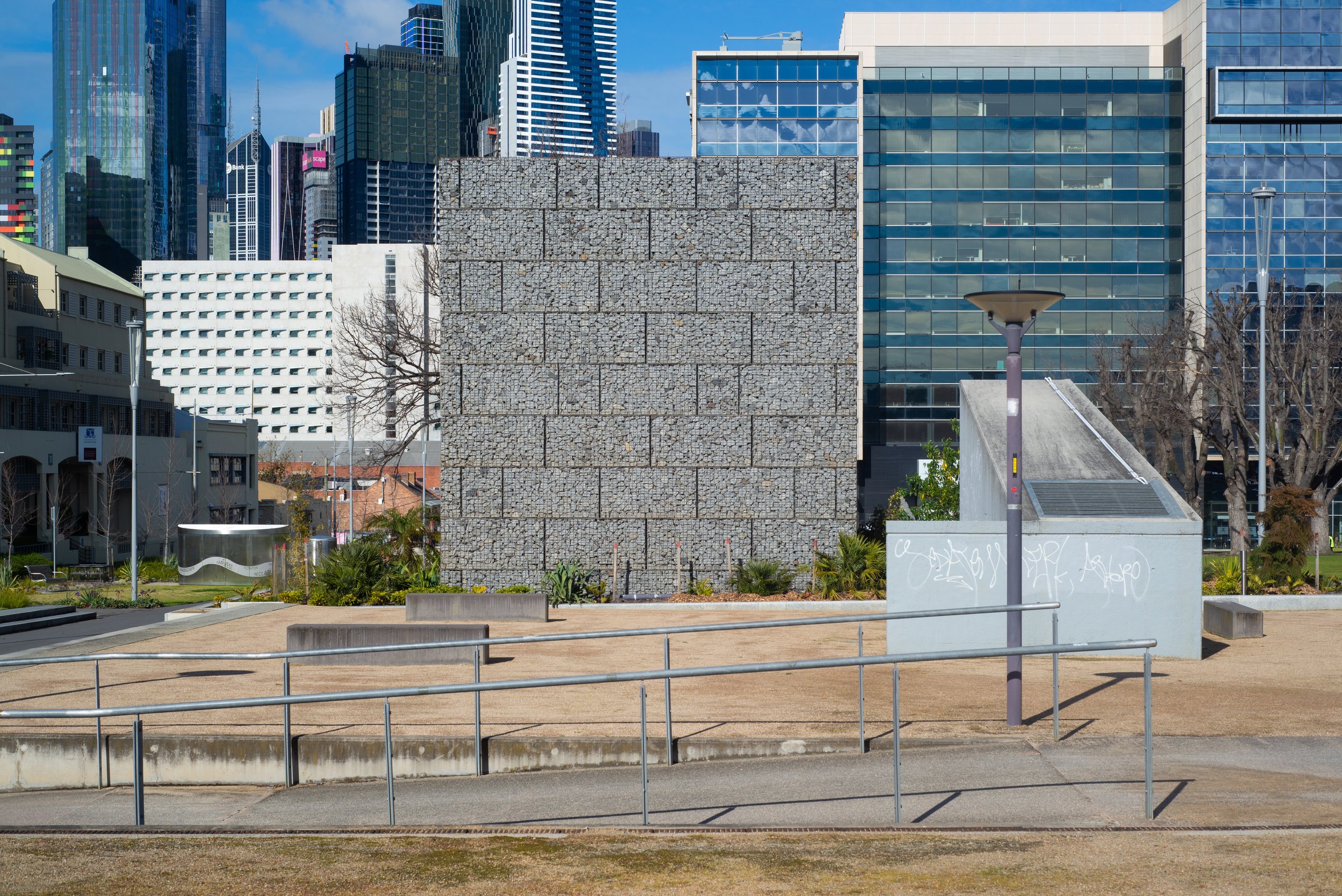
There is a bit of a clash between old and new in Carlton. Most of the time it’s easy to be standing in front of an older building while seeing a new apartment block behind it. Still, it’s more homogenous than Fitzroy.
If someone reviewed the body of work, they would understand the architectural character of the place, the relative width of the streets, and the persistence of older building forms within a changing urban context.
There have been many changes over time in Carlton. The biggest shift is the reduction in students living in the area and the increase in older residents.
For many years, Melbourne real estate was affordable enough that it was common for University of Melbourne students to live in sharehouses throughout Carlton. These have long since disappeared. I’m not sure where all the students live these days.
Despite the changes, the architectural character remains largely similar to what it has been for many years, apart from being a bit shinier and more polished. Compared to many other inner-city areas — particularly on the south side of the river — the character is largely unchanged, which is probably why I keep going back.
Visit the print store