Book Review: Sean Scully “Walls of Arran”
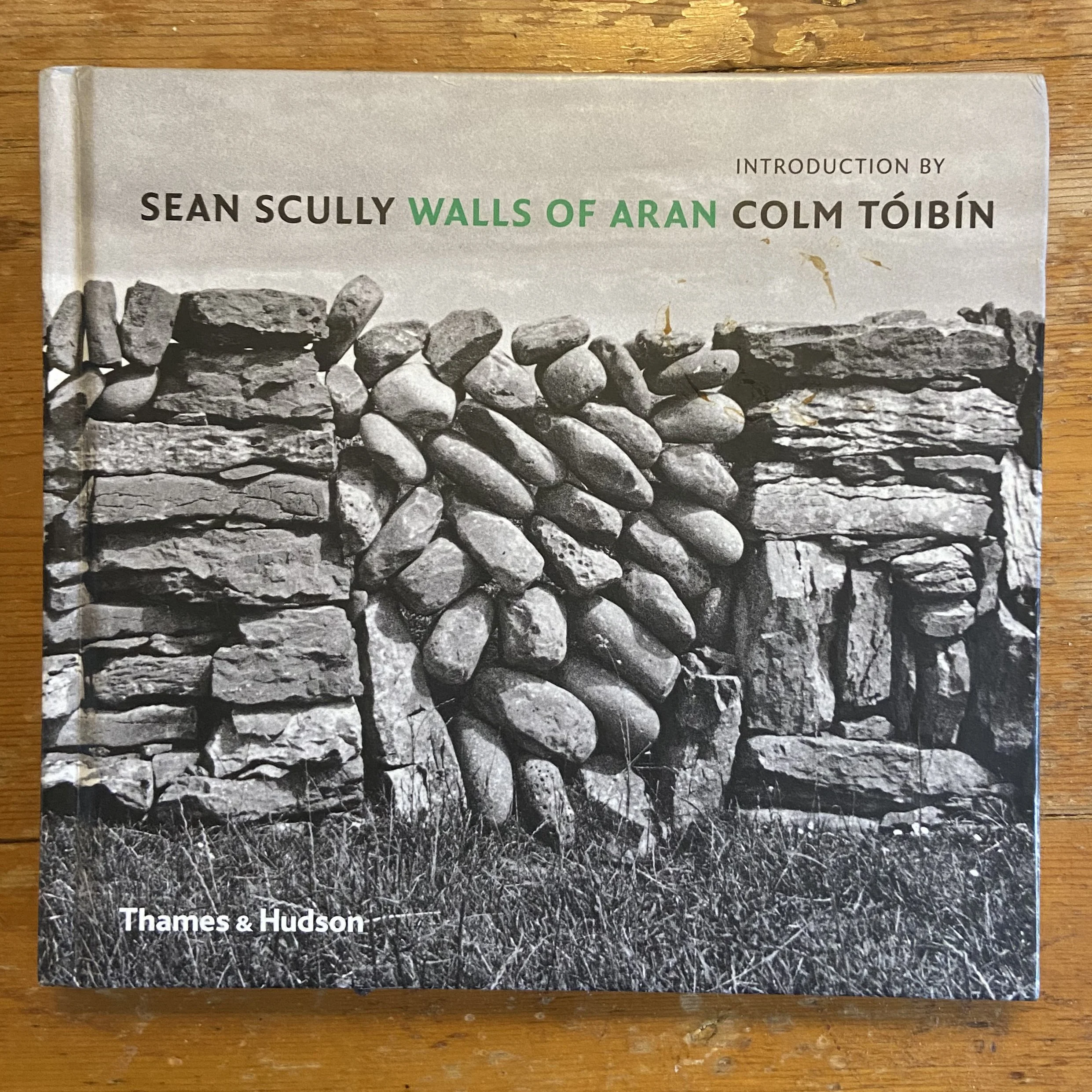
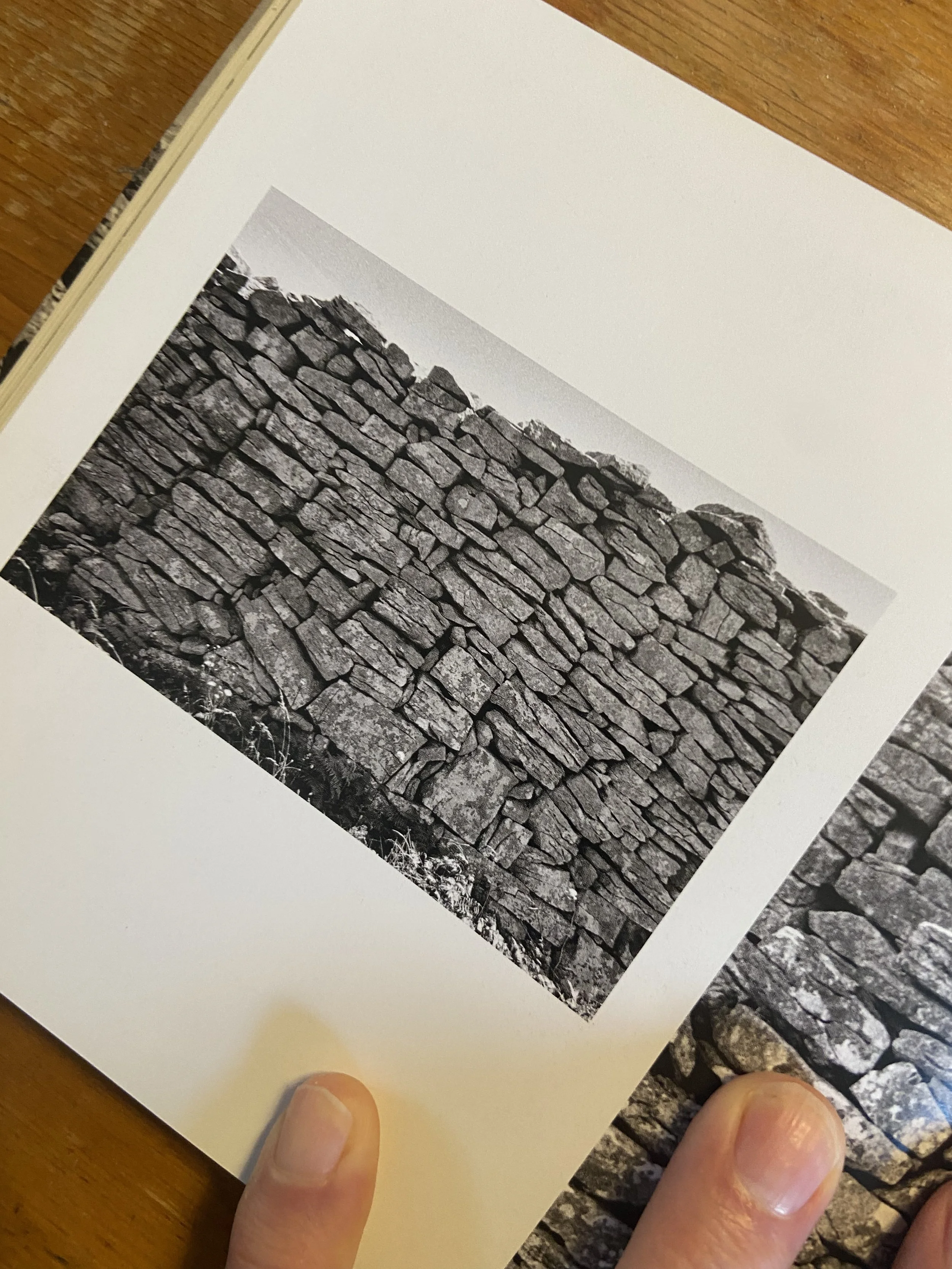
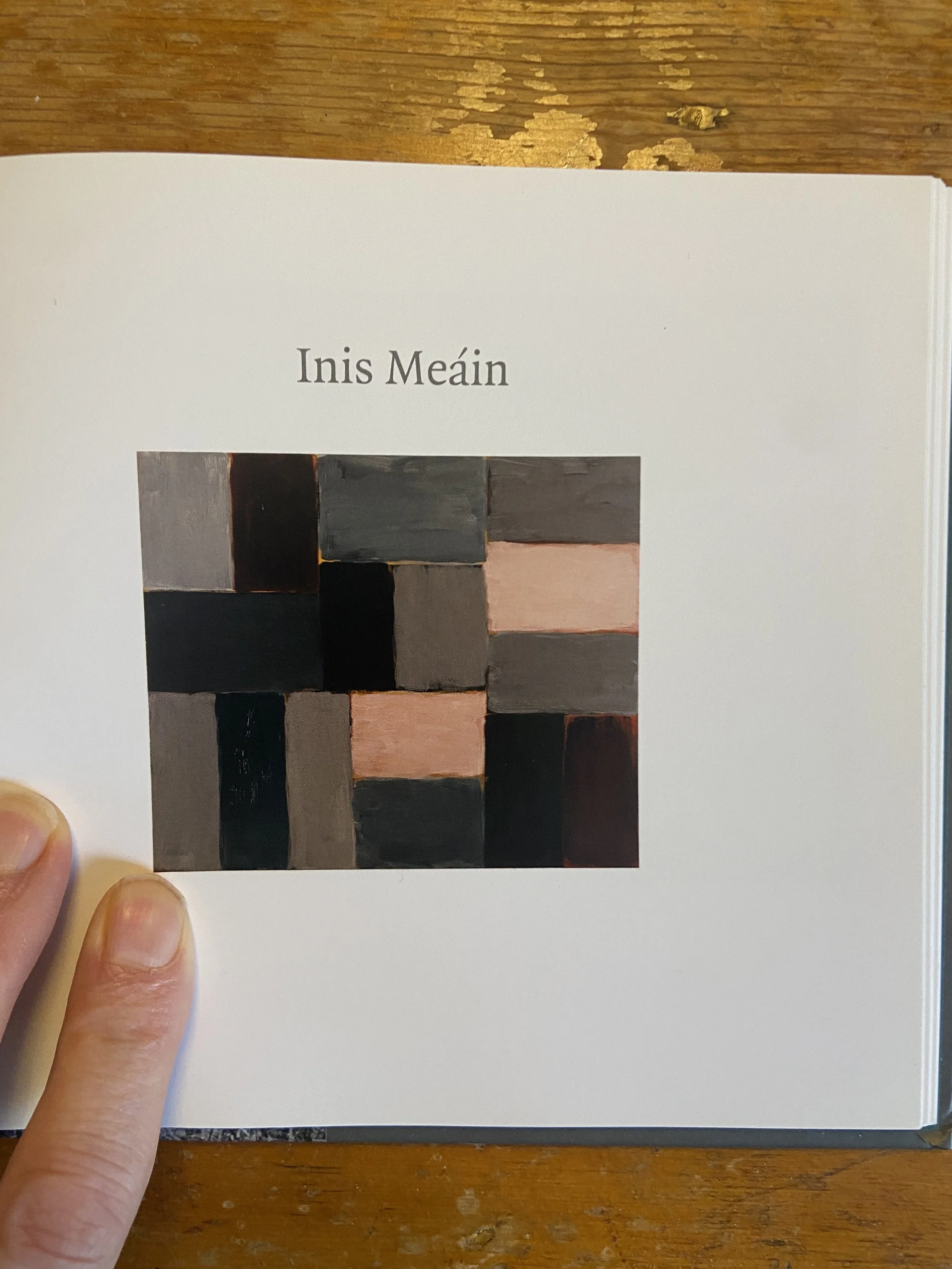
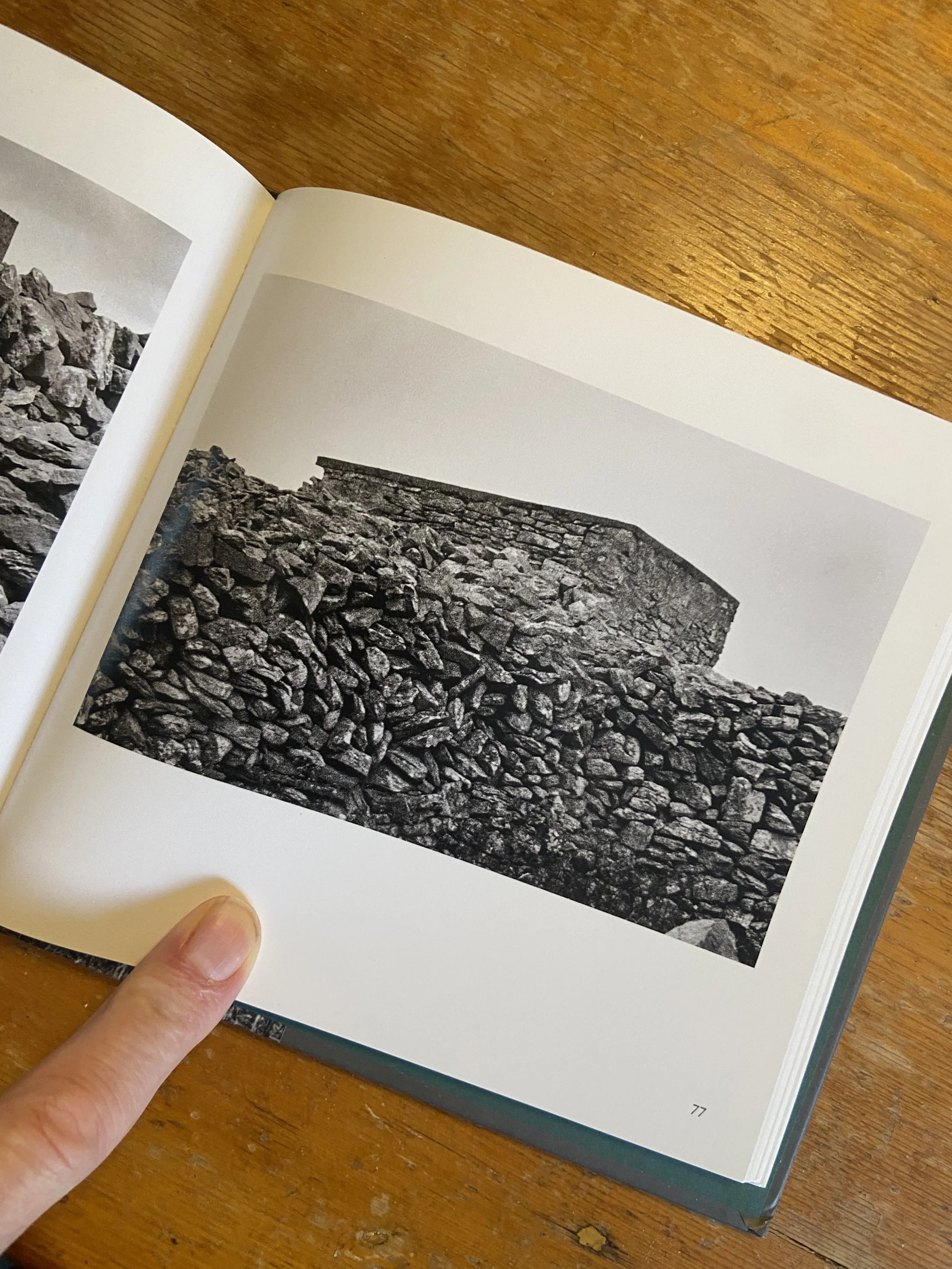
The compact size of the book works well. I own some very large photography books, and the restraint here feels appropriate. It’s an easy book to pick up and spend time with.
Colm Tóibín’s introductory words are particularly evocative. He writes about the journey from Dublin to the islands and the movement into a landscape shaped by weather, distance and isolation:
“I was moving into a world of nature governed by wind and weather, sharp and soft lines of the horizon, disappearing perspective, high skies and great banks of cloud, and a world of people governed by politeness, watchful slow glances and deliberate understandment.”
It feels like a passage out of the modern world and into something slower and more remote.
The photographs themselves are built around repetition and variation. The subject matter is extremely narrow — stone walls photographed repeatedly — yet the work never feels repetitive. Different stone sizes, patterns, construction methods and orientations create an enormous amount of visual variety.
One section of the book focuses on more abstract views of the walls. Some run horizontally, others vertically. At times the photographs begin to resemble paintings, perhaps closer to Rothko than documentary photography, though they always remain grounded in the physical reality of the stone itself.
What appeals to me most is the discipline of the project. The subject matter is incredibly tight, but the variations seem endless. Books like this remind me that narrower subjects often produce stronger bodies of work.
That is probably one reason I continue to return to long-term projects over many years. Recently I’ve been reviewing older work and making new assemblages from several projects, and books like this reinforce the value of staying with a subject for longer than feels necessary.
I look forward to getting out and photographing more when my energy and health allow. This book has helped me develop ideas for the Edgelands Project and my print store.
